Teej Mehndi Designs: Simple, Traditional & Festive Ideas
Teej mehndi can be quick and simple or richly traditional, depending on the celebration and time available. This guide covers mandalas, florals, front and back hand styles, bangles, outfit pairing and practical application choices.

Mehndi is a familiar part of Teej celebrations, but the right design does not have to be bridal-level heavy. For many women, the day includes dressing up, meeting family, puja, photographs and sometimes travel between homes or events. A design that suits the schedule can be more enjoyable than one chosen only for maximum coverage.
Teej designs often use traditional motifs such as mandalas, flowers, leaves, paisleys and peacocks. These can be kept simple for a quick application or expanded into a fuller hand when you have more time.
Simple Teej mehndi
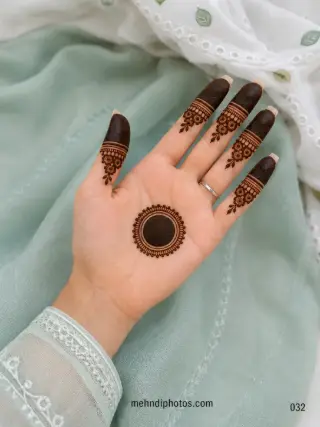
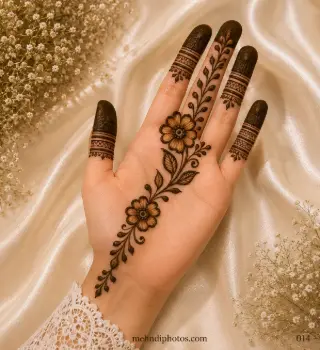
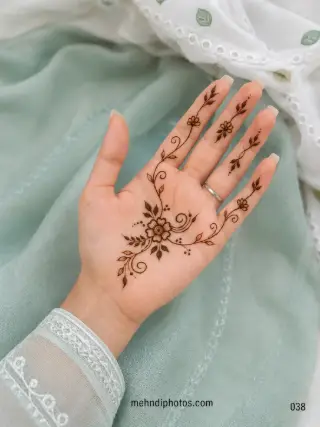
A central gol tikki, a leafy diagonal trail or one floral wrist band can create a festive look without taking hours. If several family members are applying mehndi together, simple structures are practical because the artist can finish each hand more quickly. Browse simple mehndi designs for references that can be adapted to Teej.
Traditional mandala designs for Teej
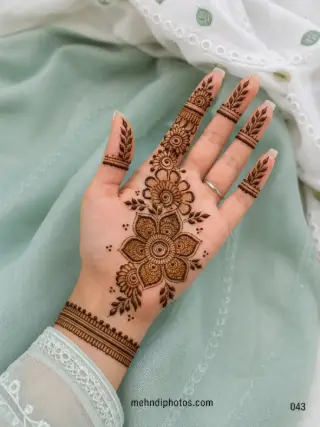
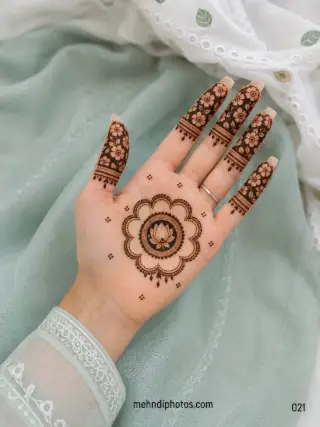
Round palm motifs work well because they are recognisable, balanced and easy to pair with bangles. Keep the centre clear and use light finger details so the mandala remains the focus. The Gol Tikki Mehndi collection is useful for classic round designs with different levels of detail.
Front hand Teej designs
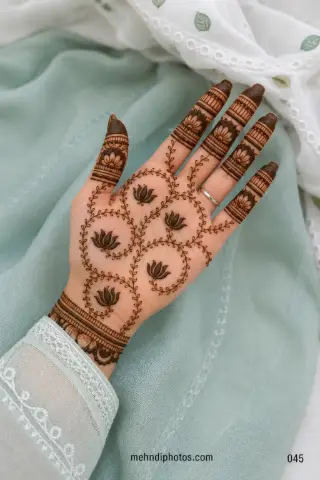
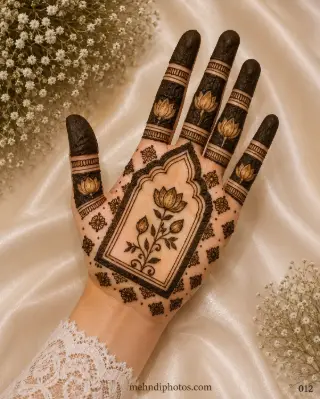
The palm is ideal if you want the mehndi to be visible during puja and photographs. A floral mandala, paisley or peacock can anchor the design. For medium coverage, connect the palm to a wrist border instead of extending far up the forearm. Browse front hand mehndi designs for layout ideas.
Back hand Teej mehndi
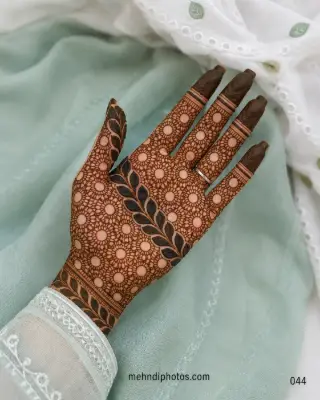
Back hand patterns pair beautifully with bangles and rings. Bracelet-style mehndi, leafy vines and small flowers below the knuckles can look festive while leaving the centre open. If your outfit and jewellery are already detailed, a lighter back-hand design can help the full look feel balanced.
Peacock and paisley motifs
Peacocks and paisleys bring a traditional feel without requiring full-hand coverage. One peacock near the wrist or a large paisley beside a flower can be enough. Keep the main motif bold and use smaller leaves or dots around it rather than filling every gap.
Matching mehndi with Teej outfits
Green, red, pink and other festive colours often appear in Teej clothing and bangles. You do not need to copy embroidery directly into mehndi, but you can echo one motif from the outfit. If the fabric has large floral work, a clean floral henna design can create a visual connection without becoming too busy.
How much coverage should you choose?
For a quick celebration, palm-and-finger coverage may be enough. If Teej is a major family event for you, medium or full-hand patterns can feel more special. Think about when the mehndi will be applied and how much drying time you have before choosing a dense reference.
Getting a darker stain
Apply mehndi to clean, dry skin and give the paste enough time to dry naturally. Avoid lotion immediately before application. Once the paste is removed, the colour usually continues to deepen over the following hours. If you want more detail, see our mehndi aftercare guide.
Final thoughts
Teej mehndi can be traditional without being complicated. Choose a motif you genuinely like, match the coverage to your schedule and leave enough open space for bangles and rings to remain visible. Browse Teej mehndi ideas and save a few options before the celebration.