How to Make Mehndi Darker: Practical Aftercare for a Rich Stain
A darker mehndi stain depends on good henna, enough contact time and gentle aftercare. Learn what helps, what to avoid and how the colour naturally develops after the paste comes off.
Everyone wants a deep mehndi stain, especially before a wedding or festival. But darker colour does not come from one magic trick. The final shade depends on the quality of the henna, your skin, where the design is applied, how long the paste stays in contact with the skin and what you do after it comes off.
This guide focuses on simple, practical aftercare that protects the stain without turning the process into a complicated routine.
First, understand how mehndi colour develops
Fresh natural henna often looks orange when the dried paste is first removed. The colour then oxidises and becomes deeper over the following day or two. That means judging the stain immediately after scraping the paste off can be misleading.
Palms and soles often stain darker because the outer skin is thicker. The back of the hand and forearm may develop a lighter shade even when the same henna is used.
Start with clean, dry skin
Before application, avoid heavy lotion, body oil or thick cream on the area. A greasy layer can interfere with direct contact between the henna paste and the skin.
Wash and dry the skin normally, then let the artist work on a clean surface.
Give the paste enough contact time
Removing the paste too quickly is one of the easiest ways to get a lighter stain. For natural henna, several hours of contact is common. If your skin feels comfortable and the paste remains secure, leaving it on longer can help the dye develop.
You do not need to keep cracked paste on at any cost. If it is falling everywhere or causing irritation, remove it gently rather than forcing yourself to tolerate discomfort.
Let the paste dry naturally
Try not to rub, press or fold the skin while the henna is still wet. Smudging changes the design before stain depth even becomes relevant.
Hands with fresh mehndi should stay reasonably still until the surface has dried.
Scrape rather than immediately washing
Once the paste has dried and you are ready to remove it, gently flake or scrape it away. Avoid immediately scrubbing the skin with soap and water.
The colour will continue developing after the paste is gone, so gentle treatment during this period is useful.
Avoid unnecessary water exposure right away
You do not need to panic about a single drop of water, but soaking, swimming, repeated handwashing and long showers soon after removal can shorten the time the fresh stain has to deepen.
For a wedding or important function, schedule mehndi so you do not need to do heavy washing or cleaning immediately afterwards.
Warmth can help the experience, but do not overheat the skin
Many people notice that comfortably warm hands stain well. Normal body warmth is enough; there is no need to hold the skin dangerously close to heaters, flames or steam.
A darker stain is not worth a burn.
What about lemon and sugar?
Some mehndi traditions use a light sugar-based seal to help dried paste stay attached for longer. If you use any sealant, keep it light so the design does not become wet and run. People with sensitive skin should avoid experimenting with ingredients that cause stinging or redness.
The key benefit is keeping the paste in place—not soaking the design.
Should you use oil after removing mehndi?
A small amount of a gentle skin-safe oil can reduce friction after the paste is removed, but oil is not a guaranteed stain-darkening shortcut. The main factors are still henna quality, contact time and natural oxidation.
Avoid strong essential oils directly on sensitive skin unless they are properly diluted and known to be suitable for you.
Things that can make a stain fade faster
- Frequent washing and sanitiser use
- Swimming or long water exposure
- Scrubbing and exfoliating
- Cleaning chemicals without gloves
- Friction from repeated rubbing
You cannot stop normal fading, but reducing unnecessary friction can help the design remain attractive for longer.
Natural henna vs “black henna”
Natural henna typically develops through orange, reddish-brown and deeper brown tones. Products marketed as very fast, jet-black henna may contain additives that can irritate or injure the skin. Do not chase an unnaturally black stain by using unknown chemical mixtures.
If a product causes burning, swelling, blistering or significant irritation, remove it and seek appropriate medical advice.
Plan around your event
If you want the stain to look mature for a wedding, Eid, Karwa Chauth or another event, applying mehndi ahead of the main function gives the colour time to develop instead of expecting the darkest shade the moment the paste is removed.
Does design style affect darkness?
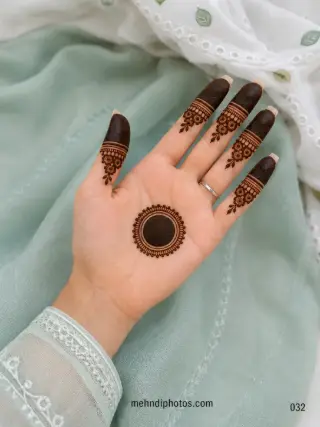
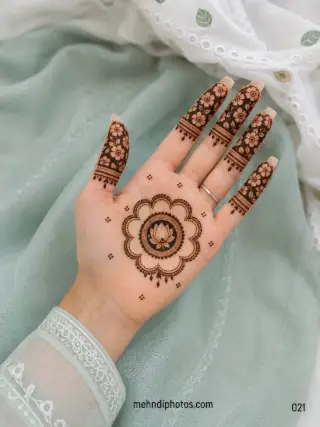
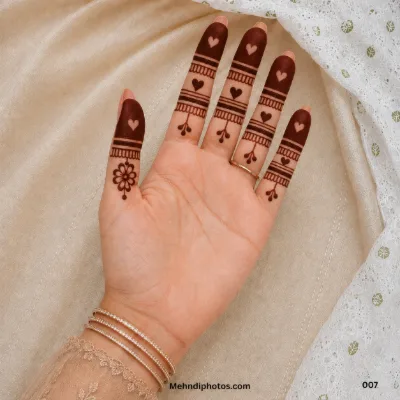
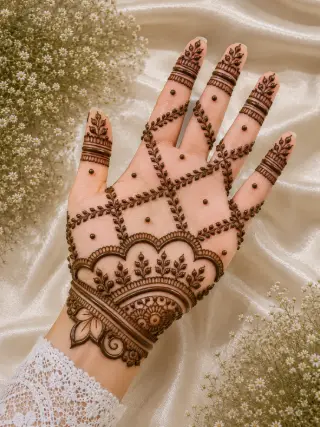
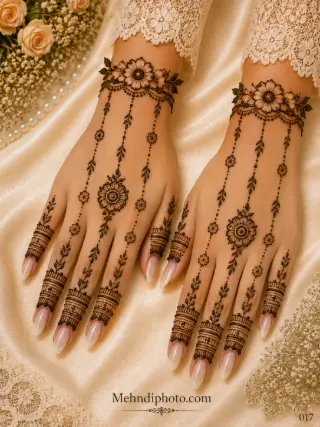
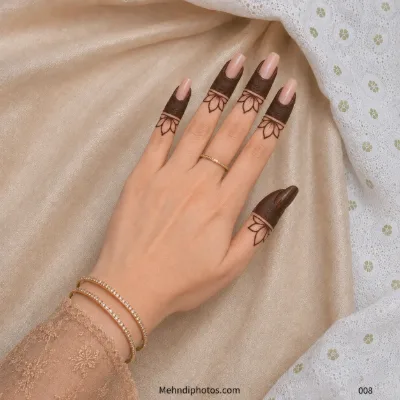
The henna chemistry is the same, but design density changes how dark a hand looks overall. Filled fingertips, bold outlines and thicker motifs create stronger visual contrast than extremely fine open patterns.
If you like a bold result, browse Bridal Mehndi and Front Hand Mehndi. If you prefer more open skin, explore Arabic Mehndi and Simple Mehndi.
A simple aftercare checklist
- Start with clean, dry skin.
- Allow enough paste contact time.
- Let the design dry without rubbing it.
- Flake the paste off gently.
- Avoid immediate soaking and scrubbing.
- Let the stain deepen naturally over time.
- Protect the area from unnecessary friction.
Final thoughts
A rich stain comes from patience more than hacks. Good natural henna, adequate contact time and gentle aftercare usually matter more than adding multiple home remedies. Give the colour time to develop and treat the skin gently.