Half Hand Mehndi Designs: Simple, Stylish & Bridal Ideas
Half hand mehndi is a practical middle ground between a tiny motif and full-hand coverage. This guide explains palm, wrist and forearm layouts that look complete without feeling crowded.

Half hand mehndi sits in a useful space between a tiny motif and full bridal coverage. It gives you enough room for a design to feel complete, but it does not require hours of application or cover every part of the hand. That balance is why half hand designs work for weddings, engagements, festivals, family functions and days when you simply want something polished without committing to a full hand.
The phrase “half hand” can mean slightly different things depending on the artist. Some designs cover the palm and stop at the wrist. Others begin on the fingers, cross the palm and continue a few inches onto the forearm. The important thing is not a strict stopping point. A strong design needs a clear beginning, a focal area and a natural finish.
What makes a half hand design look complete?
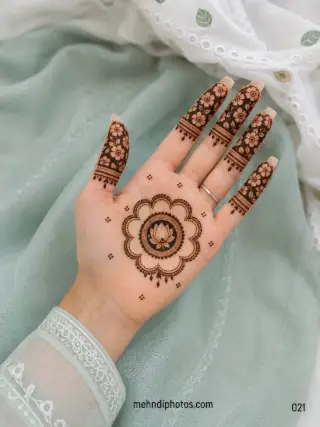
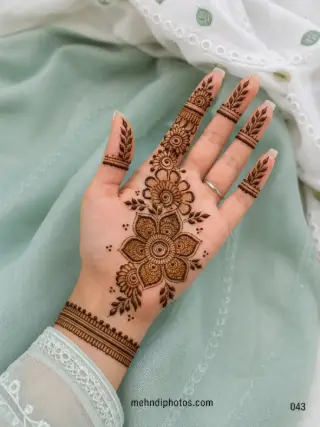
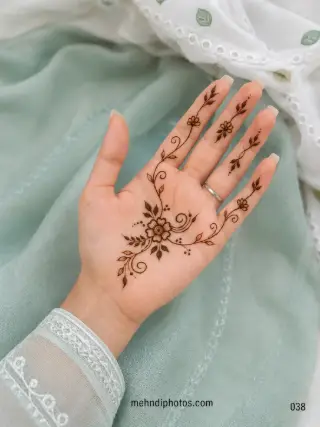
A good half hand design should not look like a full design that was cut short. It needs its own structure. One reliable approach is to place a large flower, mandala or paisley on the palm and use smaller leaves, dots or bands to lead the eye toward the wrist. Another is a diagonal trail that starts near the wrist and moves toward the index finger. Before choosing a reference, look at the empty skin as carefully as the henna. Negative space helps separate motifs and keeps the hand from looking crowded.
Simple half hand mehndi designs
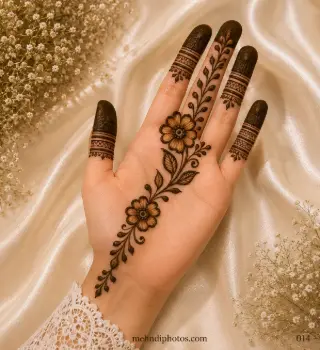
Simple half hand mehndi works best when the main shapes are easy to read. A flower with a leafy trail, a round palm motif with light finger details, or a bracelet-style wrist band can look finished without a large amount of filling. If you are a beginner, avoid references with many tiny grids or perfectly repeated lines. Larger petals, loose leaves and curved vines are easier to control. You can browse simple mehndi designs and adapt a pattern to stop around the wrist instead of extending farther up the arm.
Front hand half designs
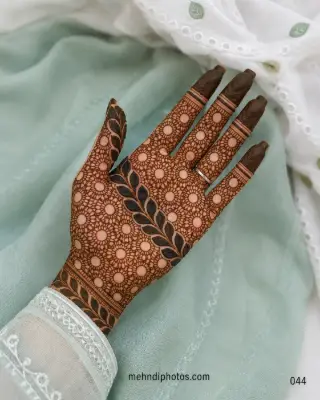
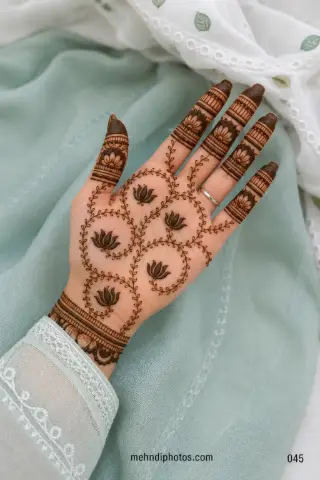
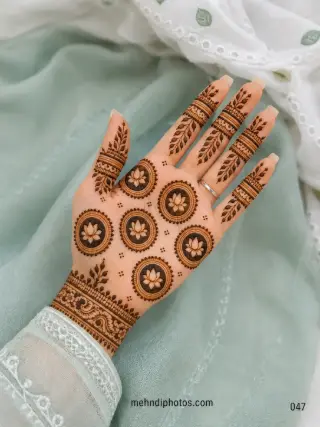
The palm gives you a broad central area, so it works well for mandalas, florals and paisleys. A centred motif creates a traditional look, while a diagonal composition feels more modern. If the design includes fingers, keep their details connected visually to the palm instead of treating every finger as a separate mini design. For more references, the front hand mehndi gallery is useful. Notice which designs would still feel balanced if the forearm section were removed; those are often strong half hand candidates.
Back hand half designs
Back hand half designs are often lighter because jewellery already adds visual detail. Bracelet bands, ring-chain patterns, small flowers below the knuckles and leafy trails are common choices. These layouts photograph well because the main design remains visible when the hand is relaxed. If you plan to wear several rings, leave open skin around them. A dense pattern directly under jewellery can make both the mehndi and the rings harder to see. Explore back hand mehndi designs for placement ideas.
Bridal half hand mehndi
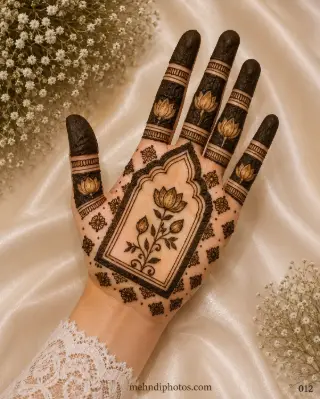
Not every bride wants full-arm coverage. Half hand bridal mehndi can still feel special when the design uses richer motifs and cleaner finishing. Lotus flowers, jaali panels, peacocks, paisleys and personalised initials can all work within a shorter layout. The trick is to increase detail inside the chosen area rather than simply extending the design farther. A well-planned wrist finish can make the shorter coverage feel intentional. Compare with the bridal mehndi collection and decide which elements matter most to you.
Arabic-inspired half hand mehndi
Arabic patterns are naturally suited to half hand coverage because they often use bold flowers and flowing vines with open skin between them. A diagonal floral trail can move from the wrist to one or two fingers and still look complete. This style is useful when you want visible mehndi without dense filling, and the larger motifs also show clearly in photographs. See the Arabic mehndi gallery for flowing layouts that can be shortened easily.
How to choose the right length
Think about your sleeves, bangles and watch before deciding where the design should end. If the wrist will be covered, stop the mehndi slightly below that point so the final border remains visible. If you are wearing short sleeves, you can extend the pattern higher without turning it into full-arm coverage. Also consider application time. A detailed half hand design can take longer than a simple full palm, so ask the artist about complexity rather than judging only by the area covered.
Final thoughts
Half hand mehndi is flexible because it can be minimal, traditional, bridal or modern without losing its identity. Focus on composition, spacing and a deliberate stopping point. A smaller design with a clear structure usually looks more polished than a larger pattern that feels unfinished. Browse half hand mehndi ideas, then save references that match your outfit, jewellery and the time available for application.