Negative Space in Mehndi: Why Leaving Skin Blank Can Look Better
Empty skin is not unfinished mehndi. Learn how negative space separates motifs, improves readability and gives simple or Arabic designs their clean modern look.
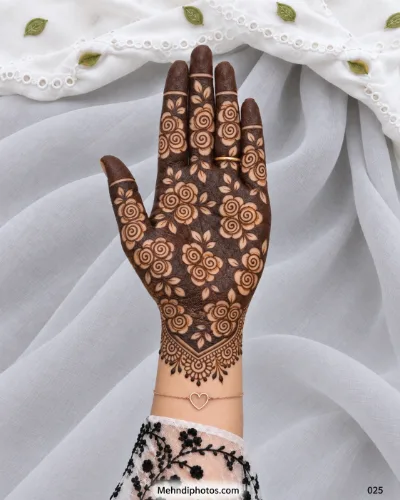
One of the hardest habits for a new mehndi artist to learn is knowing when to stop. An empty patch of skin can feel like a problem, so another leaf, dot or line gets added. Then another. Soon the design has plenty of detail but no place for the eye to rest.
What negative space actually means
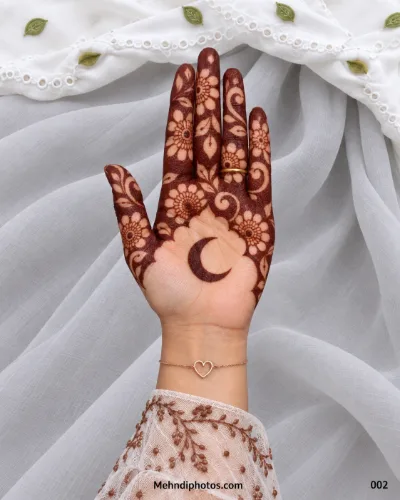
Negative space is simply the uncovered skin that sits around and between motifs. It can be a narrow channel between two borders, a broad open area beside a flower, or the clean skin around a central mandala. It is part of the composition, not an accidental gap.
Why open space improves readability
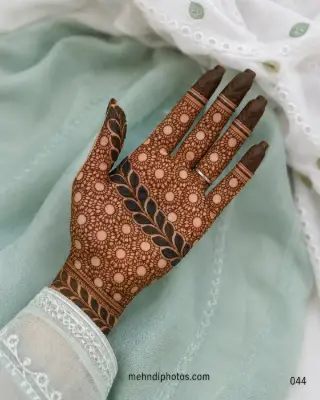
Henna darkens after the paste is removed. Fine details that looked separate during application can visually merge as the stain matures. Leaving deliberate gaps helps flowers, paisleys and finger bands keep their shape from normal viewing distance.
Arabic mehndi depends on it
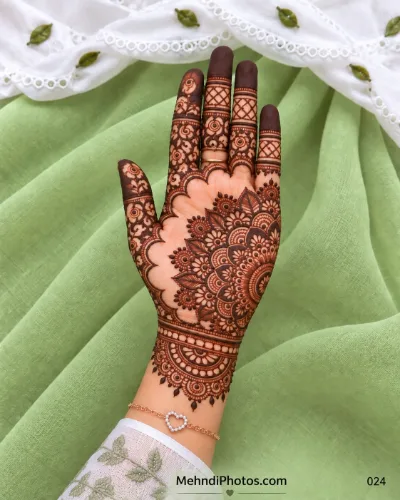
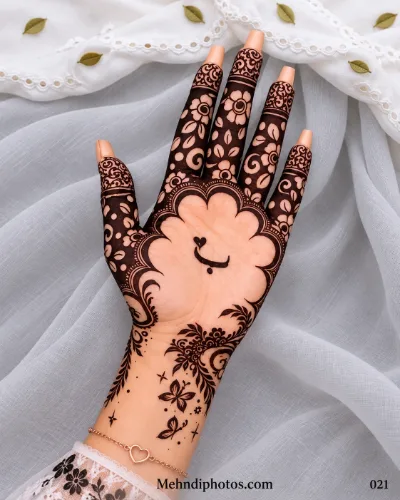
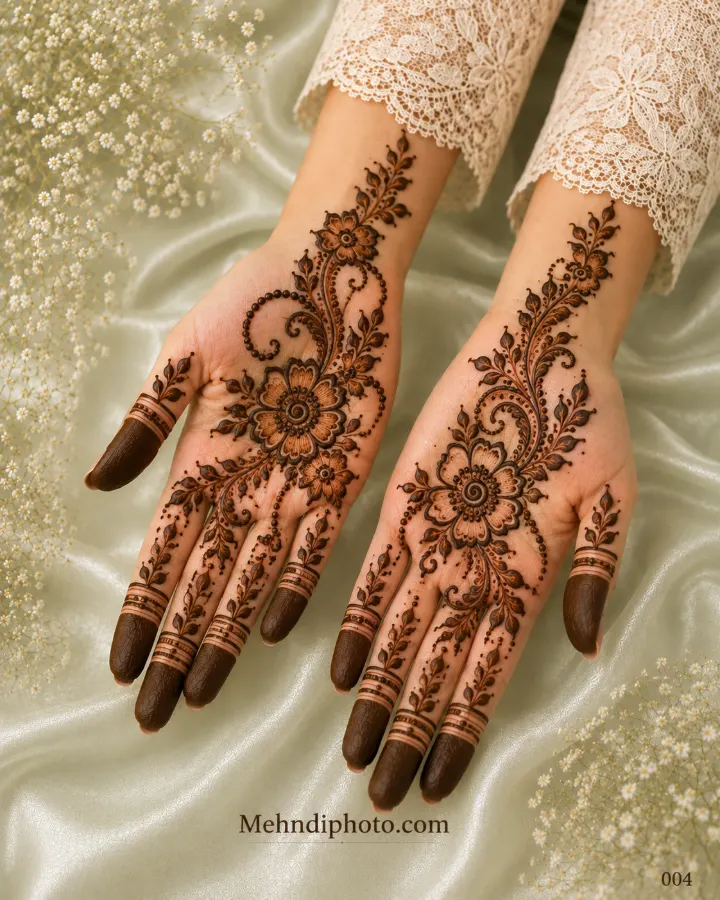
Many Arabic Mehndi designs feel bold because the floral trail is surrounded by open skin. The contrast between a thick outline and a clear gap can be more striking than filling the same area with extra pattern.
Use space around a focal motif
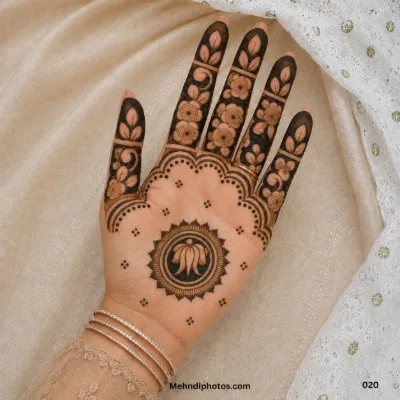
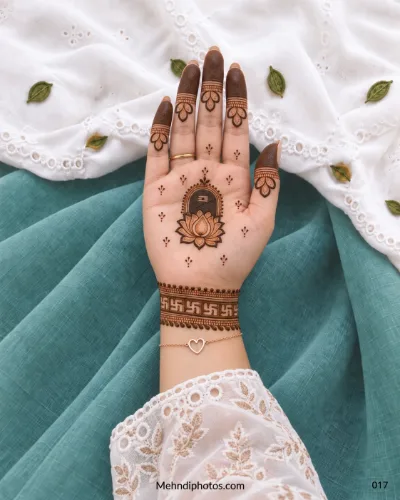
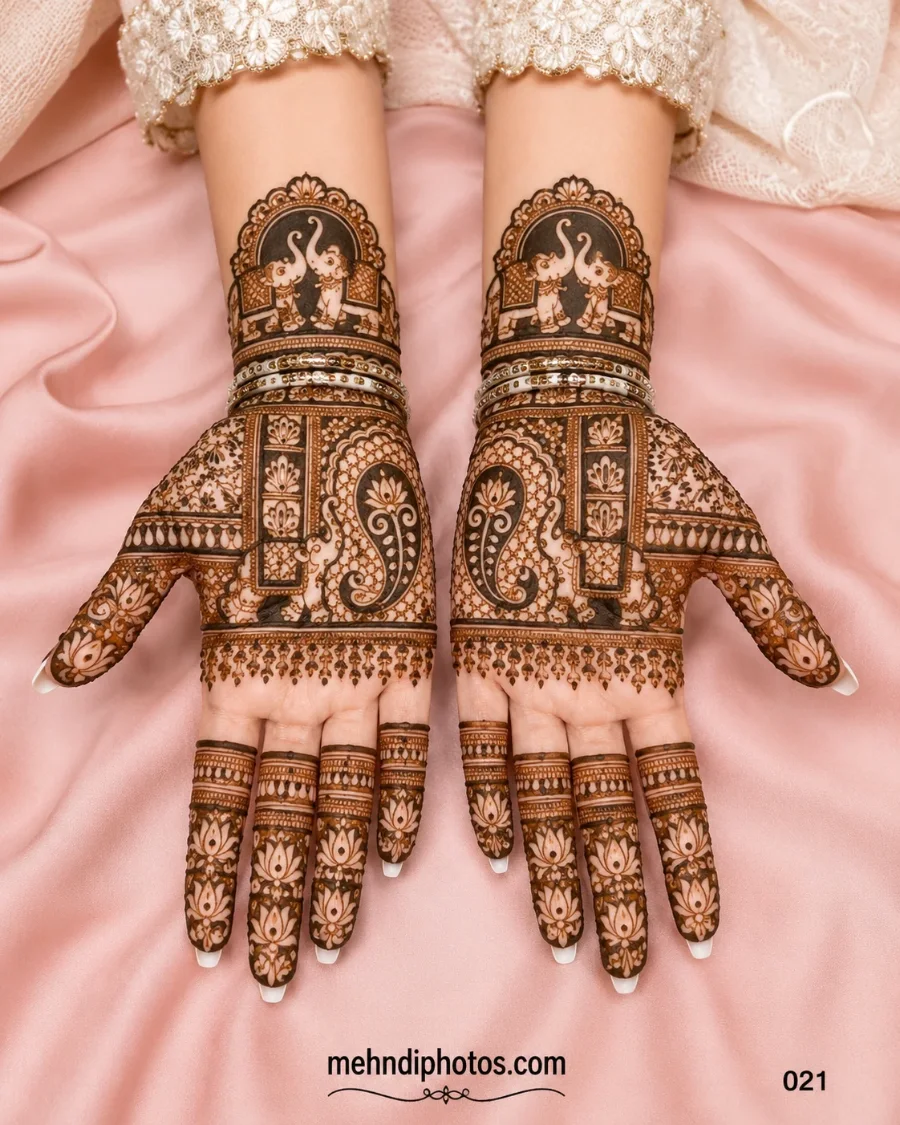
If the palm has a strong flower, tikki or lotus, give it a small clear boundary before the next element begins. This creates hierarchy: the viewer sees the centre first, then the supporting details. Without that separation, every motif competes equally.
Finger designs need breathing room too
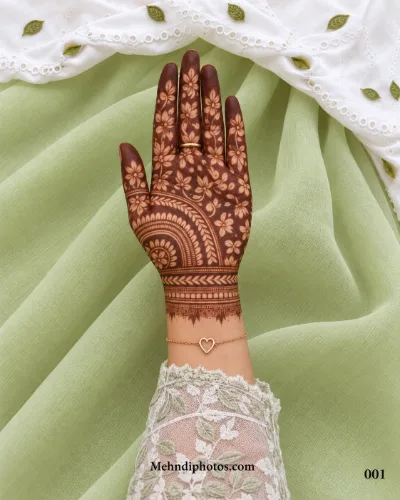
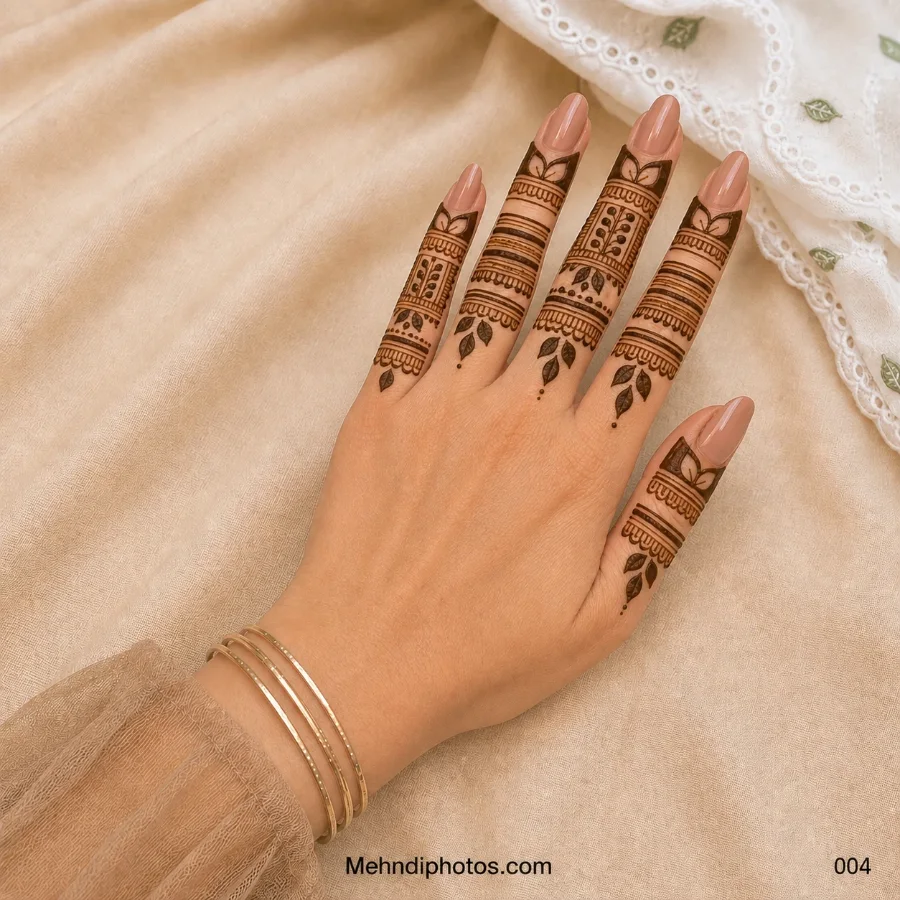
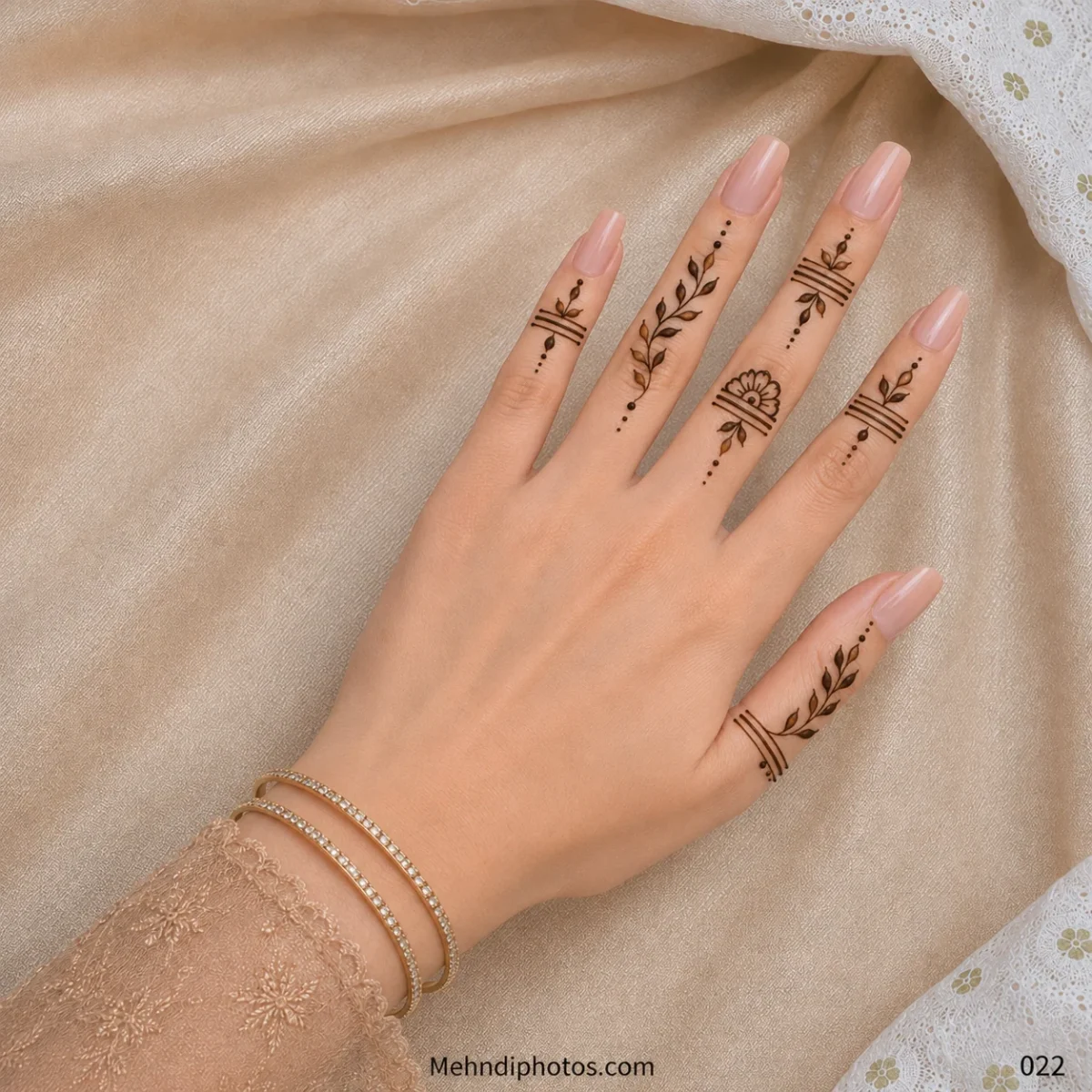
Stacked finger bands look cleaner when each band has a visible gap. If every joint is covered with dense pattern, the finger can turn into one continuous dark strip. Browse Finger Mehndi references and notice how much of the style comes from the spaces between bands.
How to avoid making a design feel unfinished
Open space works best when the edges around it look intentional. Finish a vine cleanly, repeat a border rhythm, or align the gaps across several fingers. Random empty patches can feel accidental; repeated or shaped empty areas feel designed.
A useful editing exercise
Take a reference you like and mentally remove twenty percent of the filler dots, checks or tiny leaves. Does the main structure become clearer? This is a useful way to simplify a design for a shorter appointment without losing its identity.
Final thought
More henna does not automatically mean more beauty or more value. A confident design uses both paste and skin. When every line has room to be seen, even a small pattern can feel finished.
Try a negative-space design
For a quick practice exercise, draw one central flower and leave a clear border of bare skin around its petals. Add a few small leaves on one side instead of filling every gap. Compare that open composition with the more detailed examples in our Simple Mehndi gallery and Arabic Mehndi gallery. Notice how a deliberate blank area helps the main motif stand out.