Leg Mehndi Designs: Beautiful Ideas for Feet, Ankles & Bridal Looks
From delicate ankle motifs to full bridal feet, this practical guide explains popular leg mehndi styles, placement ideas, occasion-wise choices, design balance, and stain-care tips so you can pick a pattern that looks elegant in person and in photos.

Leg mehndi has a different kind of beauty from hand mehndi. The feet and ankles give an artist a wider, flatter canvas, which makes it possible to create everything from a tiny anklet-style pattern to a full bridal composition with florals, jaali work, paisleys and traditional motifs. The best design is not simply the most detailed one. It is the design that suits your outfit, your event, the amount of skin that will be visible and the time you have for application.
This guide is for anyone looking for leg mehndi designs, foot mehndi ideas, bridal feet mehndi or simple ankle henna. It covers the most useful styles, how to choose the right coverage and a few practical details that can make the final result look cleaner and more balanced.
Popular Types of Leg Mehndi Designs
Leg mehndi can be minimal, traditional, modern or heavily detailed. Before saving a reference, first notice where the design starts and stops. A pattern that looks beautiful on one person may not suit another if the outfit covers most of it or if the leg shape is different.
Simple Leg Mehndi Designs
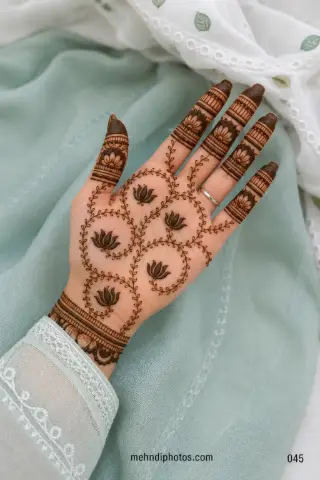
Simple leg mehndi usually uses fewer motifs and leaves more open skin. Small flowers, leafy vines, ankle bands, mandalas and light toe details are common choices. These designs are useful when you want something elegant without spending hours sitting for henna.
Simple patterns work especially well for Eid, Diwali, Teej, Karwa Chauth, family functions, pre-wedding events and casual festive dressing. They also suit people who prefer a cleaner, modern look.
Bridal Leg Mehndi Designs
Bridal leg mehndi is usually more detailed and can extend from the toes to the ankle or higher up the lower leg. Traditional bridal designs often combine paisleys, flowers, jaali sections, peacocks, mandalas, fine fillers and jewellery-inspired borders.
A strong bridal design should still have visible structure. When every inch is filled with the same level of detail, the pattern can look flat in photos. Larger focal motifs with smaller supporting details usually create a richer and more readable result.
Arabic Leg Mehndi Designs
Arabic mehndi is known for bold florals, curved vines, leafy trails and intentional negative space. On feet and legs, this style can look especially elegant because the pattern can flow diagonally from the toes toward the ankle or continue around the side of the foot.
Arabic designs are a good choice if you want noticeable mehndi without full coverage. The larger motifs also remain easy to see in photographs.
Foot Mehndi Designs
Many people prefer mehndi only on the feet. A central mandala, a floral trail or a diagonal composition can create a complete look without extending high on the leg. Toe detailing can be kept simple so the design does not become too busy around jewellery or footwear.
Ankle Mehndi Designs
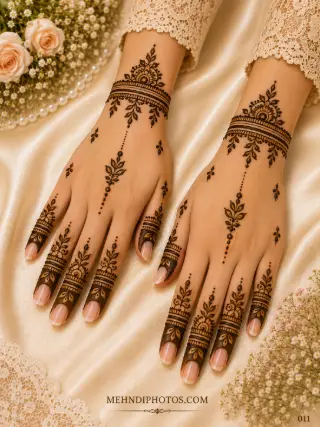
Ankle mehndi is one of the easiest ways to keep the look minimal. Jewellery-inspired bands, tiny hanging elements, leafy chains and floral anklets can make the mehndi itself look like an accessory. This style works particularly well when the ankle remains visible with a saree, lehenga, suit or cropped festive outfit.
How to Choose the Right Leg Mehndi Design
Start with your outfit. If you are wearing a long lehenga that covers most of the lower leg, very detailed work high above the ankle may never be seen. In that case, it is often better to spend the artist's time on the feet, toes and ankle area.
For bridal portraits or outfits where the full lower leg will be visible, a longer design can work beautifully. The stopping point should be planned in advance so the pattern ends naturally rather than cutting through an important motif.
Choose According to the Occasion
For a bride, fuller coverage often complements traditional jewellery and heavily embroidered outfits. For an engagement, sangeet or smaller ceremony, medium coverage with florals or Arabic elements may feel more balanced. For festivals, a small foot or ankle design is often enough to create a festive look.
There is no rule that a special event always needs heavy mehndi. A clean, well-placed design can look more polished than an overly dense pattern.
Traditional vs Modern Leg Mehndi
Traditional Indian leg mehndi often uses symmetry, repeated borders, fine fillers, paisleys and dense motifs. Modern designs usually use more open space, larger flowers, geometric sections and lighter coverage.
Both styles can look beautiful. A richly embroidered bridal outfit may pair naturally with detailed traditional mehndi, while a simpler outfit may look better with a modern floral or Arabic pattern. The goal is visual balance rather than following one style simply because it is popular.
Motifs That Work Especially Well on Feet and Legs
Floral Patterns
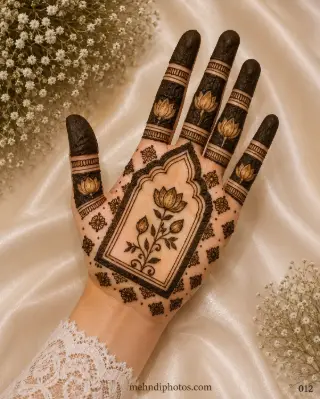
Flowers are versatile because they can be used as a small focal point or repeated across a larger composition. Floral vines also follow the curve of the ankle naturally.
Mandala Designs
A mandala placed in the centre of the foot creates a strong focal point. The surrounding area can be left open for a minimal look or extended with leaves, dots and borders for a fuller design.
Paisley Patterns
Paisleys are a classic choice for traditional mehndi. They can be enlarged for the top of the foot or used in smaller clusters around the ankle and lower leg.
Jaali Patterns
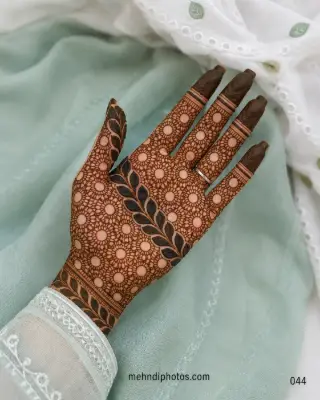
Net-style or jaali sections are popular in bridal mehndi because they fill larger areas while still looking organised. They work particularly well around the ankle, where a repeated pattern can create a neat transition between foot and leg.
Jewellery-Inspired Mehndi
Henna that resembles anklets, chains or decorative foot jewellery can create a delicate, feminine look. It is a useful option when you want the design to feel ornamental without covering the entire foot.
Should Both Feet Have the Same Design?
They do not have to be identical, but they should usually feel coordinated. Bridal mehndi often looks best when both feet use the same overall structure, even if the internal details are slightly different. For minimal designs, repeating the same motif on both feet can create a clean, symmetrical result.
How Far Should Leg Mehndi Extend?
The right length depends on your outfit, your comfort and the design itself. Some patterns stop just above the ankle. Bridal designs may continue several inches higher. If the design is going to extend upward, the artist should plan a gradual finish using smaller motifs, leaves or a border rather than ending abruptly.
Tips for a Darker Mehndi Stain on Feet
Feet often take colour well because the skin is thicker than many other parts of the body. Good stain results still depend on the henna quality and aftercare.
- Apply henna to clean, dry skin.
- Avoid lotion or oil immediately before application.
- Let the paste dry naturally.
- Keep the dried paste on for several hours when practical.
- Avoid immediately washing the area after removing the paste.
- Remember that fresh henna often starts orange and deepens over the next several hours.
Preparing Before a Leg Mehndi Appointment
Detailed feet and leg mehndi can take time, so comfort matters. Wear clothing that gives the artist easy access to the area and will not rub against fresh henna. Complete pedicures, waxing or shaving beforehand rather than after the mehndi has been applied.
Once the design is finished, reduce unnecessary walking until the paste is dry. Movement can cause cracking or smudging, especially around the ankle and toes.
Leg Mehndi for Bridal Photography
Foot and leg mehndi can create some of the most beautiful close-up wedding photographs. Popular shots include both feet together, mehndi paired with anklets, feet beside the lehenga border, and close-ups with traditional footwear.
For photographs, clear motifs and good spacing matter. Extremely fine detail can disappear from a distance, while one or two larger focal motifs help the pattern remain visible.
Simple or Full-Coverage Leg Mehndi?
Choose simple mehndi if you want faster application, lighter coverage, more visible skin or a modern look. Choose full coverage if you want a traditional bridal feel, intricate detail and a richer appearance in close-up photos.
Neither option is automatically better. The right choice is the one that matches your event and feels comfortable for you.
Final Thoughts
Leg mehndi can be as subtle as a thin anklet motif or as elaborate as a complete bridal design covering the feet and lower legs. Instead of choosing a reference only because it looks detailed, look at the placement, spacing, stopping point and how the pattern will work with your outfit and jewellery.
Browse several leg mehndi designs before your event and save the references that genuinely match your preferred coverage. Showing your artist a few clear examples makes it easier to create a design that feels personal, balanced and practical.