How Long Should You Keep Mehndi On? Timing & Aftercare Guide
How long should mehndi paste stay on the skin? Learn practical timing, when to remove dried henna, what to do afterwards and why the stain continues to deepen after removal.
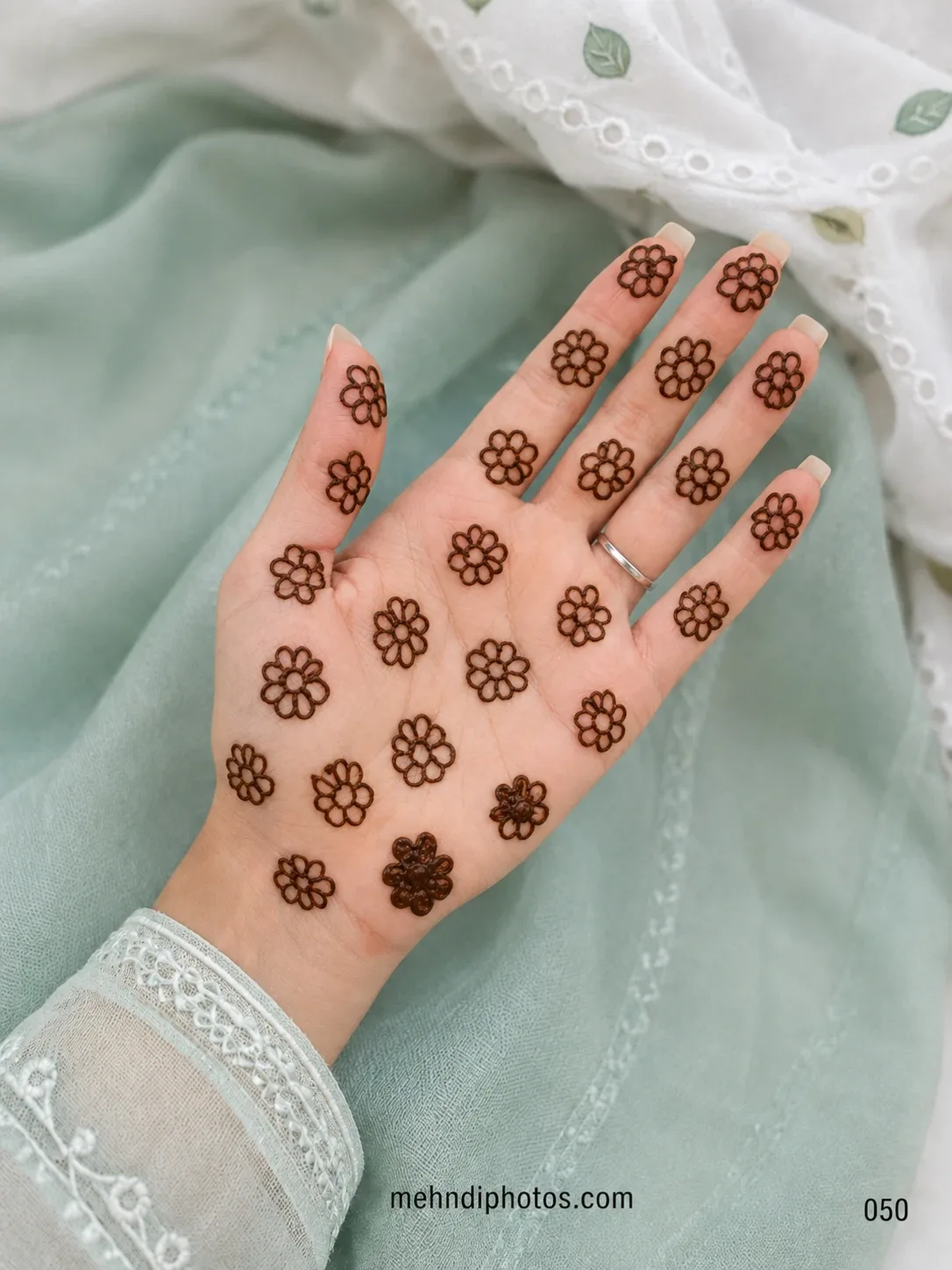
One of the most common mehndi questions is simple: how long should you keep the paste on? There is no single minute that guarantees the darkest stain for everyone, but natural henna generally benefits from staying in contact with the skin for several hours.
The exact timing depends on the henna paste, where it is applied, how securely it stays on and how your skin reacts.
A practical timing range
For natural henna, many people keep the dried paste on for around four to eight hours when practical. Bridal applications are often kept longer if the paste remains comfortable and attached.
You do not need to suffer through burning, itching or significant irritation just to keep the paste on longer. Comfort and skin safety come first.
Does longer always mean darker?
Longer contact can help up to a point, but it is not the only factor. Fresh natural henna, skin type, body area and aftercare all affect the final colour.
A poor-quality paste will not become excellent simply because it stayed on overnight.
When is mehndi ready to remove?
The paste should be dry and firm rather than wet and smudgy. When you are ready to remove it, gently flake or scrape it away instead of aggressively scrubbing the skin.
Should you wash mehndi off?
Immediately washing with soap and water is usually avoided after removing natural henna because the stain continues to develop. Gently remove the dried paste and give the fresh stain time before unnecessary soaking or scrubbing.
Why does the colour look orange at first?
Fresh natural henna often appears orange after the paste comes off. The stain then oxidises and becomes deeper over the next day or two. So the colour you see immediately after removal is not necessarily the final shade.
Palms, back hands and feet may stain differently
Palms and soles often develop deeper colour because the outer skin is thicker. The back of the hand and forearms may stain lighter even with the same paste and timing.
Can you sleep with mehndi on?
Some people keep natural henna on overnight, especially for bridal applications, but the paste needs to be dry and protected from rubbing. If wrapping causes heat, sweating, irritation or discomfort, remove the paste instead of forcing longer contact.
What to do after removing the paste
- Flake the paste off gently.
- Avoid immediate scrubbing.
- Reduce unnecessary water exposure for a while.
- Let the stain deepen naturally.
- Avoid harsh exfoliation and cleaning chemicals on the design.
For more detail, read our Mehndi Aftercare Guide.
How should you plan around an event?
If you want the colour to look developed for a wedding, Eid, Karwa Chauth or another special occasion, do not schedule mehndi at the very last moment. The stain needs time after paste removal to deepen.
Does design density change the timing?
Fine and bold designs use the same henna process, but thick filled sections may take longer to dry completely. Avoid touching or folding the skin until wet areas have set.
What if the paste starts falling off early?
Do not panic. Remove loose flakes gently and avoid rubbing the remaining design. The stain may still develop well, especially if the paste had already been in contact with the skin for a reasonable period.
Natural henna safety
Natural henna develops orange-to-brown tones over time. Be cautious with products that promise an immediate jet-black result, especially if ingredients are unclear. If a product causes burning, blistering, swelling or significant irritation, remove it and seek appropriate medical advice.
Quick answer
If you want one simple rule: keep natural mehndi paste on for several hours, commonly around four to eight when comfortable, then remove it gently and allow the stain time to oxidise. Longer is not always better if the skin is irritated or the paste has become impractical to keep on.
Final thoughts
Good timing helps, but stain quality comes from the whole process: fresh henna, clean skin, enough contact time and gentle aftercare. Focus on those basics rather than chasing an exact number of minutes.