How to Hold a Mehndi Cone: Beginner Control Guide
Learning mehndi becomes easier when cone pressure, hand support and line movement are controlled before complicated motifs are attempted. This practical guide explains grip, pressure, line thickness, practice drills and common control problems.

A beginner often assumes that better mehndi comes from memorising more designs. In practice, cone control makes a bigger difference. If the paste flow is inconsistent, even a simple leaf can look uneven. Once you can control pressure and movement, the same small set of shapes can be combined into many clean designs.
The goal is not to hold a mehndi cone exactly like another artist. Hand size, cone size and paste consistency vary. You need a grip that feels stable, keeps your fingers relaxed and lets you adjust pressure without shaking.
Where to hold the cone
Hold the cone closer to the tip than you would hold a large piping bag, but do not squeeze directly at the opening. Keep the tip visible so you can see where the paste is landing. The upper part of the cone should rest against the hand rather than float loosely. If your grip is too high, small finger movements can create large changes at the tip.
How much pressure to use
Use steady pressure rather than repeated hard squeezes. If you press strongly and then stop, the line becomes thick and thin in sudden jumps. A good test is to draw one long curve at the same speed. If the line changes thickness even though your hand speed stays consistent, work on pressure before moving to detailed motifs.
Let the paste fall onto the skin
Try not to scrape the cone tip across the skin like a pen. For many lines, it is cleaner to hold the tip just above the surface and let the henna fall into place as your hand moves. This creates smoother curves and reduces the chance of dragging through fresh paste.
Support your drawing hand
Rest part of your hand or little finger on a stable surface when possible. Support reduces shaking, especially when drawing slow details. If you are applying mehndi to someone else, position their hand so you can work without twisting your wrist. Good posture often improves line quality more than trying to squeeze the cone harder.
Practice line thickness deliberately
Draw ten thin lines, ten medium lines and ten thicker lines. Then practise switching between them on purpose. Thick outlines and thin internal details can make the same motif look more polished, but only when the variation is intentional. Random changes in thickness usually make a design look untidy.
Basic practice shapes
Start with C-curves, S-curves, dots, leaves, petals and paisleys. Repeat each shape in the same direction, then reverse it. Once individual movements feel predictable, connect three or four shapes into a short vine. This is more useful than copying an entire hand while still struggling with the cone.
What to do when the flow keeps breaking
Do not automatically squeeze harder. Check whether dried paste is blocking the opening or whether the tip is too small for the paste consistency. A blockage can make the line thin and suddenly release a large blob when pressure increases. Clear the tip carefully before continuing.
Controlling dots
Dots need a short, controlled squeeze without dragging the tip. Keep the cone close to the skin, apply pressure, release and lift. If dots keep growing into small lines, you are moving before the pressure has stopped. Practice dots in rows until their size becomes predictable.
Moving from practice to a real hand
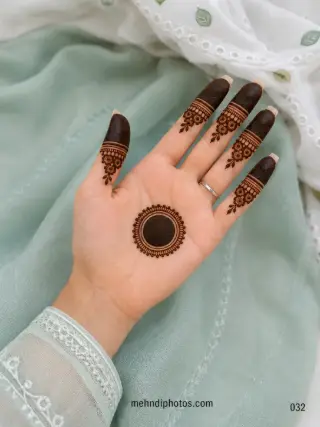
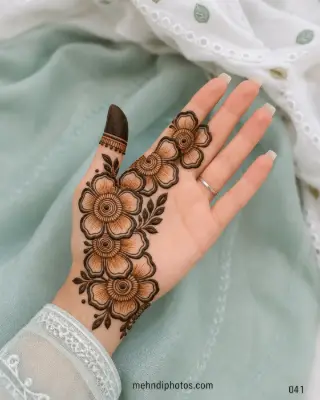
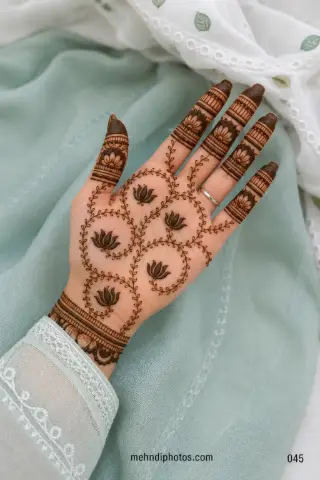
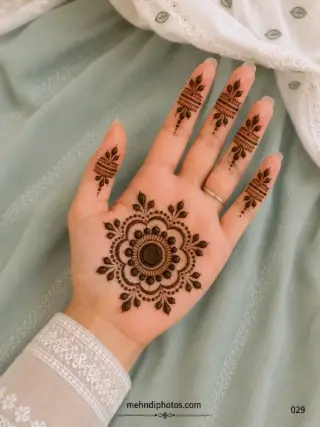
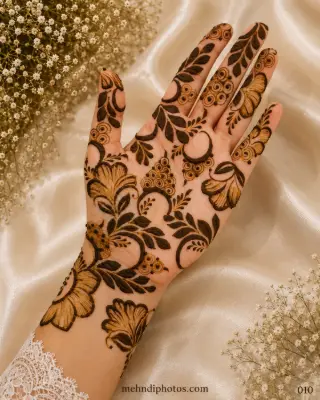
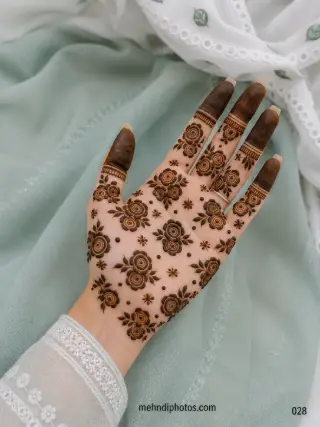
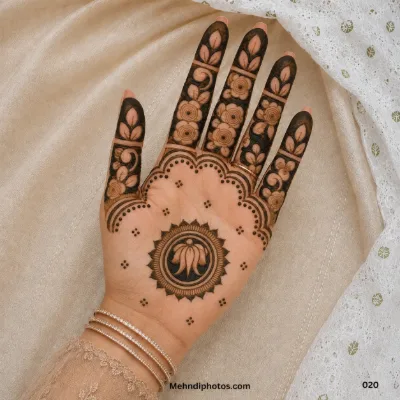
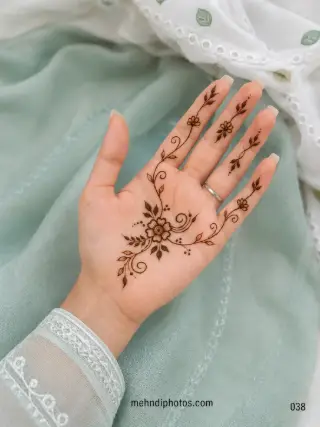
Begin with forgiving designs. Loose floral vines, larger leaves and simple wrist bands allow small differences without ruining the composition. Avoid very fine jaali or exact mirror symmetry until your line control is consistent. Browse simple mehndi designs for patterns that use beginner-friendly shapes.
Final thoughts
Good cone control comes from repetition, not force. Keep the grip relaxed, make pressure changes deliberately and practise the same basic movements until they feel predictable. Once the cone starts behaving the way you expect, complicated mehndi becomes much less intimidating.