How Mehndi Fades: What Is Normal and How to Let It Wear Off Gently
Mehndi fades as the outer skin naturally renews. Learn why palms and fingers fade differently, what makes a stain wear faster and how to avoid harsh removal methods.
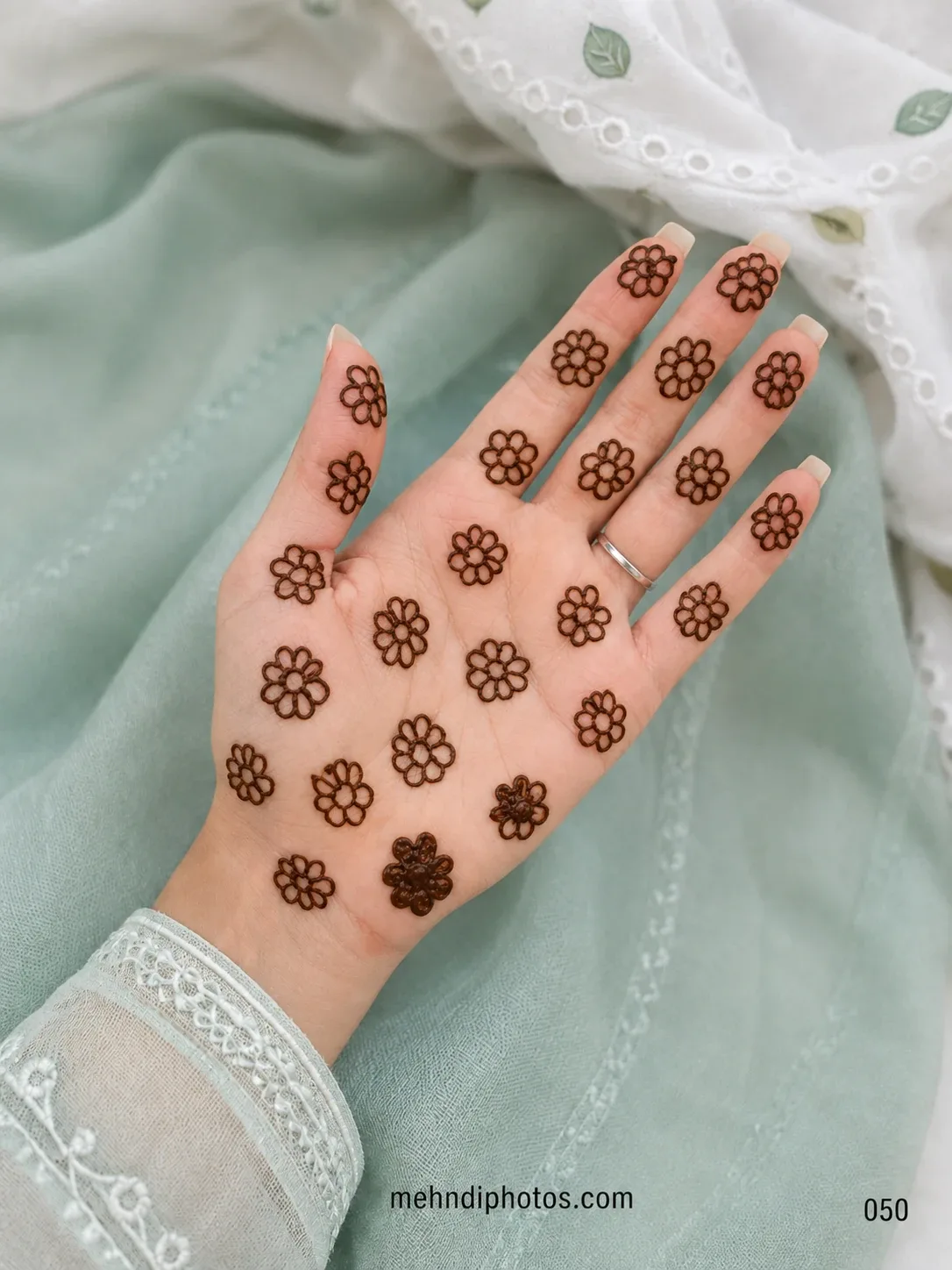
Fresh mehndi gets most of the attention, but the fading stage is normal too. Henna stains the outer layers of skin, so the design gradually disappears as those cells shed and are replaced. It does not sit on top like paint that can simply be washed away in one step.
Why different parts fade at different speeds
Hands are exposed to water, soap, friction and daily work. Fingers may fade unevenly because they touch surfaces constantly. Palms can develop a strong stain but also experience frequent washing. A forearm design may last differently because that skin has less contact with objects.
Daily routine affects wear
Frequent handwashing, swimming, cleaning, exfoliation and friction can make a stain disappear faster. That does not mean anything went wrong with the henna. Two people using the same paste can still have noticeably different fading patterns.
Uneven fading is normal
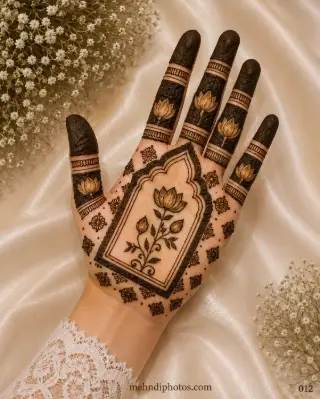
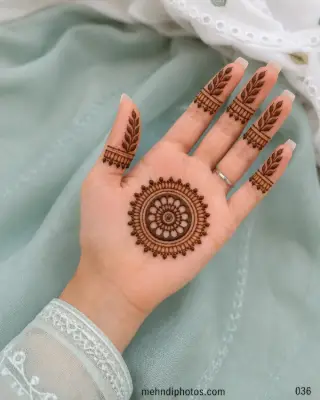
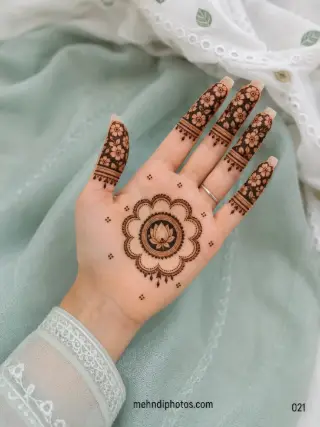
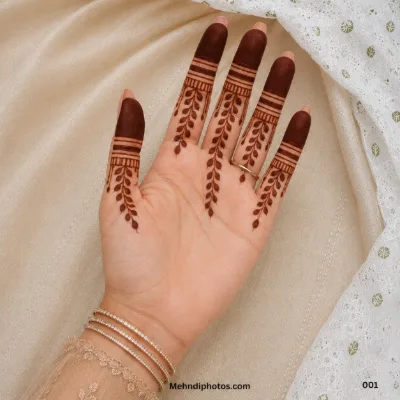
Fine lines may disappear before thicker filled areas. Fingertips can remain dark while delicate wrist details soften, or the reverse can happen depending on your routine. A design often looks patchier near the end of its life than it did during the first few days.
Avoid aggressive removal
If you need the design to fade, let normal washing and skin turnover do most of the work. Harsh scrubbing, strong chemicals or irritating DIY mixtures can damage the skin without instantly removing the stain. Protecting your skin matters more than forcing the last traces of colour away.
Moisturise the skin normally
Once the staining process is established, normal skin care can continue. If the skin feels dry, use a moisturiser that suits you. Do not keep exfoliating simply because a few uneven patches remain.
If you need clear hands for an event
Plan ahead rather than trying to erase dark mehndi the night before. If you know you need unmarked hands for work, photography or another commitment, choose lighter coverage or apply the design earlier so it has time to fade naturally.
When to pay attention to the skin, not the stain
Normal fading should not cause blistering, marked swelling or persistent pain. If the skin itself is irritated, especially after an unfamiliar or very dark product, treat that as a skin issue rather than a cosmetic fading problem and seek appropriate medical advice.
Final thought
A fading mehndi design is simply reaching the end of its cycle. Enjoy the darker stage, photograph it if you want to remember the pattern, and let the remaining colour disappear gently instead of turning removal into a battle with your skin.
What to do while the stain fades
Natural henna usually fades gradually as the outer skin renews. Keep your usual gentle skin-care routine and avoid aggressive scrubbing, bleach or harsh chemical removal tricks, which can irritate the skin without reliably removing the stain. If you want to plan your next application, read our mehndi aftercare guide and natural henna safety guide. A new design is best applied when the skin feels healthy and comfortable.