Natural Henna Safety: What to Check Before Mehndi Application
Natural henna usually stains orange to brown, not instant jet black. Learn what to ask about a cone, which warning signs matter and when skin irritation needs attention.
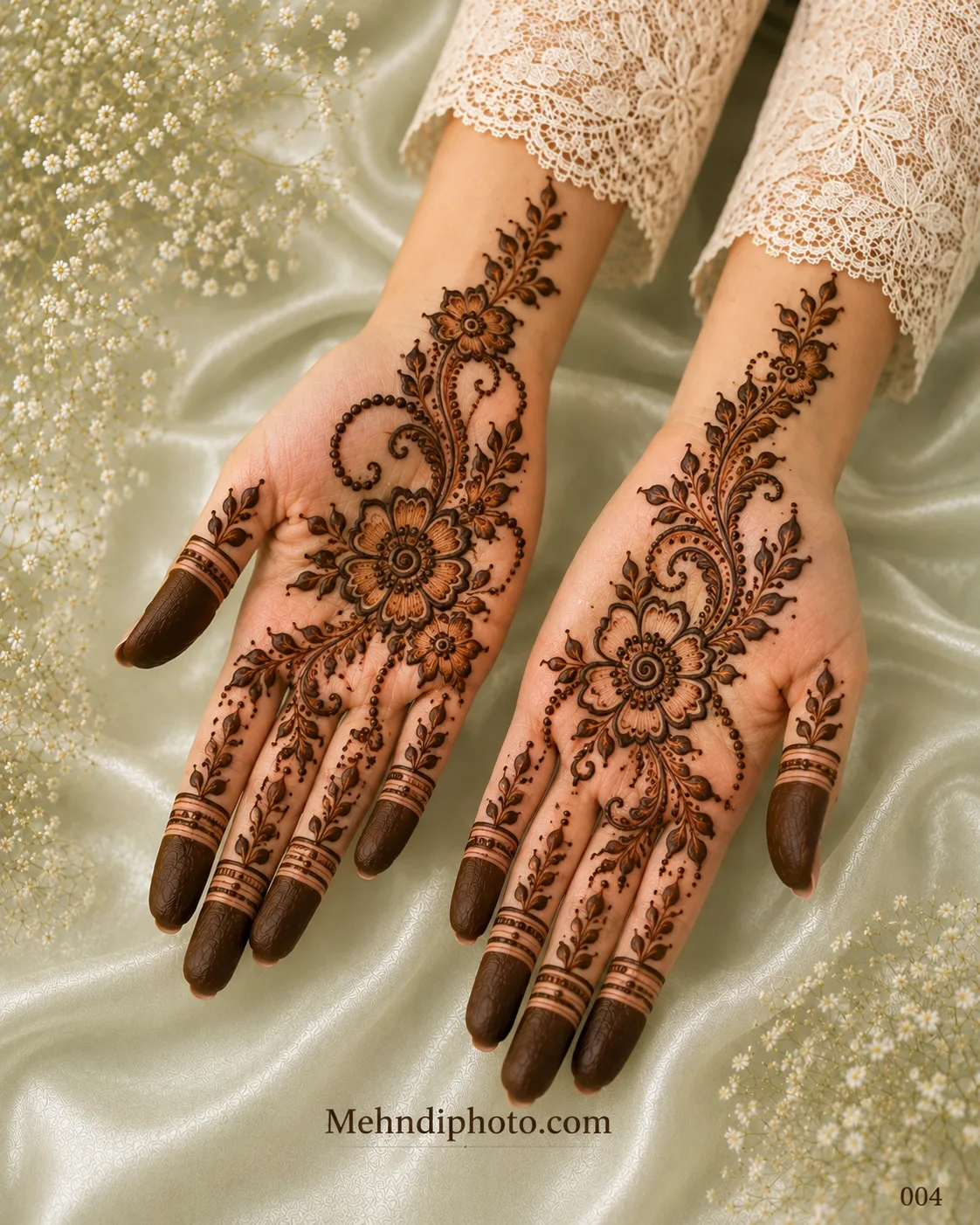
Most mehndi sessions are straightforward, but the product inside the cone matters. A pretty package or the word “natural” on a label does not tell you exactly what is in the paste. If you are buying a cone or booking an unfamiliar artist, a few basic questions are worth asking.
Know the normal colour of natural henna
Natural henna paste leaves a stain that commonly starts orange and deepens toward reddish-brown or brown as it oxidises. The final shade varies with skin, body location, paste quality and contact time. An instant jet-black result is not the normal behaviour of pure henna.
Be cautious with products sold as “black henna”
Some fast, very dark products may contain additives such as para-phenylenediamine (PPD), a substance associated with serious skin reactions. Do not assume a cone is safe simply because it is sold for temporary body art or used by other people without an obvious reaction.
Ask what is in the paste
When possible, ask the artist or seller about ingredients and when the paste was prepared. A responsible artist should be comfortable discussing the product being placed on your skin. Avoid mystery mixtures that make unrealistic promises about instant colour.
Pay attention to how your skin feels
Mehndi paste drying on the skin can feel tight, but significant burning, intense itching, swelling or blistering is not something to tolerate for the sake of a darker stain. Remove the product and seek appropriate medical care if you develop a concerning reaction.
Extra caution matters for sensitive skin
If you have a history of skin reactions, eczema, allergies or previous problems with hair dyes or temporary tattoos, discuss this with a qualified healthcare professional before using an unfamiliar product. A blog cannot determine whether a specific cone is safe for your skin.
Do not confuse stain speed with quality
Natural henna colour develops over time. A slower stain is not automatically weak, and an immediate dark colour is not proof of premium quality. For normal stain development and aftercare, read our guide on how long to keep mehndi on.
Keep children away from unknown chemical cones
Children may be more likely to rub wet paste into their eyes or mouth, and a quick design is never worth using a product with unclear ingredients. Choose a known product and keep the application supervised.
Final thought
Mehndi should be an enjoyable part of a celebration. Choose products with transparent ingredients, be sceptical of instant-black claims, and listen to your skin. If something feels wrong, removing the product is more important than preserving the design.
Before your appointment: a five-point check
- Ask the artist or seller for the paste ingredients.
- Avoid unknown fast-blackening cones and products with unclear labels.
- Do not apply henna to broken or irritated skin.
- If you have a history of reactions to dyes or cosmetics, seek professional advice before use.
- Stop immediately if burning, swelling or blistering occurs and seek medical care.
For a separate explanation of how a natural stain develops, see our mehndi colour and aftercare guide. A patch test is not a guarantee that a product is safe.